Bad Mexicans Book by Kelly Lytle Hernandez
Race, Empire, and Revolution in the Borderlands — winner of the Bancroft Prize and longlisted for the National Book Award. A landmark work of American history told through the men and women who dared to fight back.
- Winner of the Bancroft Prize in American History
- Shortlisted for the PEN/John Kenneth Galbraith Award for Nonfiction
- Longlisted for the National Book Award for Nonfiction
Explore Bad Mexicans Book — Available Formats
Choose the format that suits your reading life — hardcover, paperback, Kindle, Audiobook, or Audio CD. Every edition delivers Kelly Lytle Hernandez’s acclaimed narrative in full.
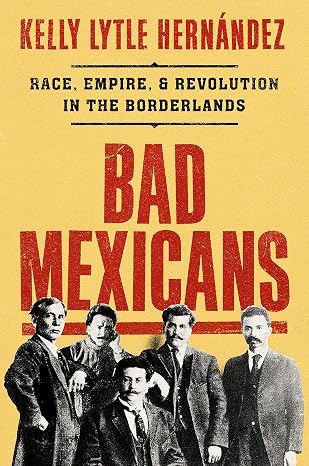
Hardcover Edition
The definitive hardcover — perfect for shelves and gifts. Includes all endnotes, bibliography, and the full award-winning text by Kelly Lytle Hernandez.
Check Price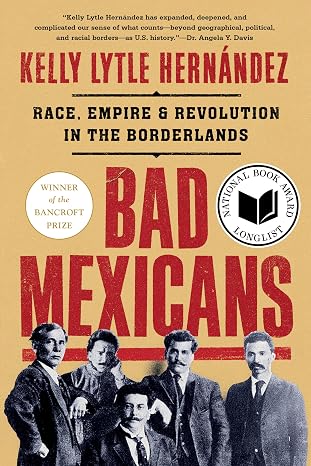
Kindle & Digital Editions
Read instantly on any device. The Kindle edition includes adjustable text and a free Audible Audiobook sample — ideal for readers on the go.
Check Price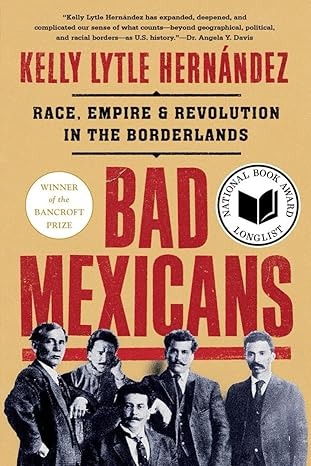
Paperback Edition
A lightweight, portable paperback ideal for students, book clubs, and everyday readers. The same prize-winning history in a more accessible format.
Check PriceInside the Book
Set at the explosive intersection of race, empire, and revolution, Bad Mexicans: Race, Empire, and Revolution in the Borderlands uncovers the forgotten story of the Magonistas — a band of working-class Mexican immigrants who launched an armed rebellion against the regime of Porfirio Díaz from U.S. soil. Led by brothers Ricardo and Enrique Flores Magón, they were hunted by Díaz’s spies, the Texas Rangers, and the U.S. Bureau of Investigation, yet they sparked the opening salvos of the Mexican Revolution.
Kelly Lytle Hernandez reconstructs this dramatic history through meticulous archival research, placing ordinary people — migrants, organizers, miners, and revolutionaries — at the center of a story that reshaped two nations. The result is a sweeping, character-driven narrative that illuminates how race and empire shaped the borderlands — and why those forces remain urgent today.
Recognition & Awards
- Winner — Bancroft Prize in American History
- Shortlisted — PEN/John Kenneth Galbraith Award for Nonfiction
- Shortlisted — National Book Critics Circle Award for Nonfiction
- Shortlisted — Mark Lynton History Prize
- Longlisted — National Book Award for Nonfiction
- Longlisted — Cundill History Prize
How to Read This Book
Whether you are approaching this book as a first-time reader of borderlands history or as an experienced scholar, these five steps will help you get the most from Kelly Lytle Hernandez’s award-winning narrative.
- 01
Choose Your Format
Select the edition that fits your lifestyle — hardcover for immersive home reading, paperback for portability, Kindle for instant access, or Audiobook for commutes. All formats deliver the complete, unabridged text of Hernandez’s award-winning work.
- 02
Set the Context
Before diving in, spend a few minutes familiarizing yourself with the Porfiriato — the era of Mexican President Porfirio Díaz — and the geography of the U.S.–Mexico borderlands circa 1900. A quick map reference will deepen your engagement with every chapter.
- 03
Meet the People
Pay close attention to the cast of characters Hernandez assembles — Ricardo and Enrique Flores Magón, the Magonista organizers, the spies, the Rangers. Keeping a brief character list in your bookmark or e-reader notes will help you track the rich ensemble across 350-plus pages.
- 04
Read Actively
Engage with Hernandez’s endnotes and source citations — they open windows into the archival detective work behind each scene. Underlining key passages about state surveillance and racialized policing rewards rereading and discussion in book-club settings.
- 05
Explore Further
After finishing, follow the bibliography to related works on the Mexican Revolution, borderlands history, and U.S. immigration policing. Hernandez’s earlier scholarship, along with the companion titles listed on this page, will extend your understanding of the forces this book illuminates.
Bad Mexicans Book — Reader Reviews
Readers and scholars consistently praise Kelly Lytle Hernandez’s command of narrative, archival depth, and the urgent relevance of her subject.
“A Transformative Work of History”
This book fundamentally changed how I understand the U.S.–Mexico border. Hernandez writes with the precision of a scholar and the propulsive energy of a novelist. Every chapter reframes what I thought I knew about American history and the people who shaped it from below.
— Verified Reader, Academic History
“Essential for Every Book Club”
Our book club chose Bad Mexicans and ended up extending our discussion across two sessions. The characters are vivid, the stakes are real, and the connections to contemporary immigration debates sparked conversations none of us expected. An extraordinary read.
— Book Club Organizer, Nonfiction Group
“Prize Recognition Is Well Deserved”
The Bancroft Prize committee got it exactly right. Hernandez’s research is meticulous, her prose is accessible without sacrificing complexity, and the story she uncovers — working-class revolutionaries hunted across two nations — deserves to be far better known. A landmark in American historiography.
— History Educator, University Reader
About the Author
Kelly Lytle Hernandez is a prize-winning historian whose work centers the experiences of marginalized communities in the making of modern America. A professor of history, African American studies, and urban planning at UCLA, she is one of the foremost scholars of race, policing, and the U.S.–Mexico borderlands.
Her previous book, Migra! A History of the U.S. Border Patrol, established her reputation as a rigorous and deeply humane chronicler of state power and its human costs. With Bad Mexicans, she brings the same painstaking archival commitment to a story that spans continents, decades, and the full breadth of the revolutionary imagination.
Hernandez’s scholarship has earned her fellowships, awards, and international recognition. She is co-founder of the Million Dollar Hoods project, which maps and analyzes the cost of incarceration in Los Angeles. Her work is essential reading for anyone seeking to understand how race and empire have shaped — and continue to shape — American life.
Visit Official StoreFrequently Asked Questions
What is Bad Mexicans about?
Bad Mexicans: Race, Empire, and Revolution in the Borderlands tells the story of the Magonistas — a group of working-class Mexican immigrants who organized and launched an armed rebellion against the Díaz regime from within the United States, sparking the opening phase of the 1910 Mexican Revolution.
Who wrote Bad Mexicans?
The book was written by Kelly Lytle Hernandez, a professor and award-winning historian at UCLA who specializes in race, policing, and borderlands history in the United States and Mexico.
What awards has the book won?
The book won the Bancroft Prize in American History and was shortlisted for the PEN/John Kenneth Galbraith Award for Nonfiction, the National Book Critics Circle Award for Nonfiction, and the Mark Lynton History Prize. It was also longlisted for the National Book Award for Nonfiction and the Cundill History Prize.
What formats is the book available in?
The book is available as a hardcover, paperback, Kindle e-book, Audible Audiobook, and Audio CD, making it accessible across a wide range of reading and listening preferences.
Is this book suitable for book clubs?
Yes. Bad Mexicans is widely used in book clubs, university courses, and community reading groups. Its character-driven narrative, rich historical detail, and connections to contemporary debates about immigration and race make it an ideal choice for group discussion.